industrial crusher for recycling polyurethane foam
Industrial crushers for recycling polyurethane (PU) foam are specialized machines designed to break down waste PU foam into smaller, reusable particles for material recovery or energy utilization.
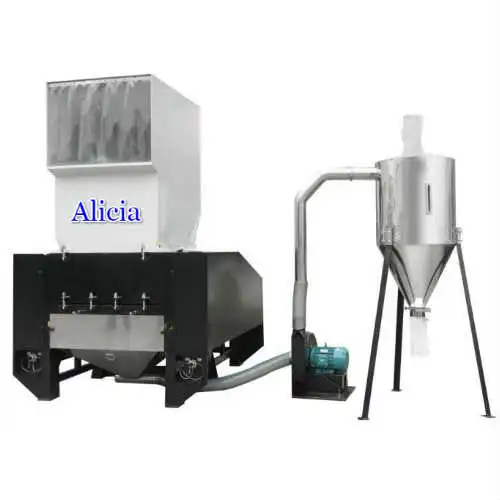
Industrial crushers for recycling polyurethane (PU) foam are designed with specialized features to handle foam’s unique properties—like light weight, elasticity, and low density—ensuring efficient, consistent, and safe processing. These features directly address the challenges of crushing foam without causing blockages or uneven particle sizes.
1. Foam-Specific Crushing Mechanisms
The core component of the crusher is tailored to avoid common issues with PU foam, such as slipping or incomplete breakdown.
- Blade/Teeth Design: Shredders use sharp, interlocking blades (or "teeth") to grab and tear flexible foam, preventing it from sliding. Granulators employ hardened, disc-shaped blades for rigid foam, ensuring clean, uniform cuts.
- Variable Speed Control: Adjusting the crushing speed lets you handle different foam densities—slower speeds for thick, rigid foam to avoid blade strain, faster speeds for lightweight flexible foam to boost efficiency.
2. Particle Size Control
Consistent output size is critical for post-recycling use (e.g., mixing with new materials), so these crushers include precise control features.
- Built-in Screens: A removable mesh screen at the crusher’s outlet filters particles—only those smaller than the screen’s holes pass through. Screens come in different sizes (typically 1–20mm) to match recycling needs.
- Adjustable Settings: Some models let you tweak blade spacing or screen position without disassembly, making it easy to switch between coarse and fine particle outputs.
3. Anti-Clogging & Material Handling
PU foam’s bulkiness and elasticity can cause jams, so crushers include features to keep processing smooth.
- Wide Feed Chutes: Large, sloped chutes accommodate bulky foam pieces (e.g., old sofa cushions, insulation boards) without manual cutting, reducing feeding time.
- Reverse Function: If foam gets stuck, a reverse mode rotates the blades backward to dislodge the jam—no need to open the machine and clear it manually.
4. Dust & Fume Management
Crushing PU foam generates fine dust (and small amounts of fumes for rigid foam), so safety-focused features prevent air pollution.
- Integrated Dust Collectors: Many models have built-in vacuum systems or dust bags that suck up fine particles during crushing, keeping the workspace clean and protecting operators’ respiratory health.
- Ventilation Ports: For high-volume operations, crushers may have ports to connect to external exhaust systems, further reducing dust and fume buildup.
5. Durability & Low Maintenance
To handle continuous use (common in recycling plants), these crushers are built for long-term reliability.
- Hardened Components: Blades and screens are made of high-wear materials (e.g., alloy steel) to resist dulling from foam additives (like fire retardants) and extend replacement cycles.
- Easy Access Panels: Removable side panels or doors let operators quickly reach blades, screens, or chutes for cleaning, blade sharpening, or screen replacement—minimizing downtime.
Key Considerations for Selection
- Foam Hardness: Choose shredders for soft/flexible foam and granulators for hard/rigid foam to avoid blade wear or inefficient crushing.
- Output Requirements: Confirm the target particle size (typically 1-20mm for recycling) and select a machine with matching screen size or adjustable settings.
- Capacity Needs: Match the crusher’s processing capacity (e.g., 50-500 kg/h) to your daily waste foam volume to ensure productivity.
- Dust & Fume Control: Opt for models with built-in dust collectors or ventilation systems, as PU foam crushing may generate fine particles.
Post-Crushing Applications
Crushed PU foam particles have two main recycling routes:
- Material Reuse: Mixed with new PU raw materials to produce low-density products like insulation boards, carpet underlays, or packaging materials.
- Energy Recovery: Used as a substitute for fossil fuels in industrial boilers or incineration plants (after removing impurities).
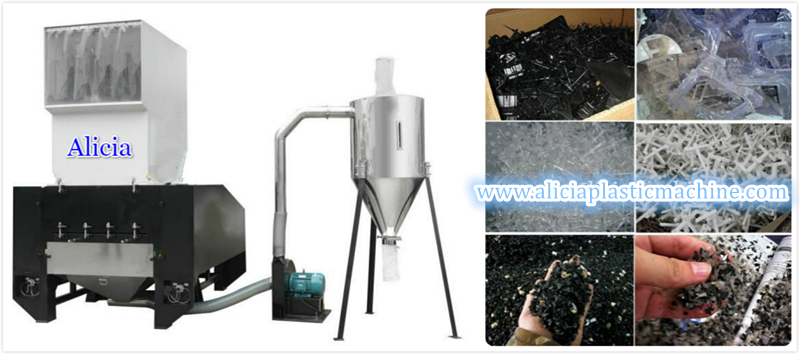
Industrial crushers for recycling polyurethane (PU) foam offer three core advantages: enabling resource reuse, reducing environmental pressure, and creating economic value. These machines are critical for turning waste PU foam into usable materials rather than letting it pile up as landfill.
1. Enables Efficient Resource Recycling
- Turns waste into raw materials: Crushers break down discarded PU foam (such as old sofas, insulation boards, or packaging) into uniform particles. These particles can be directly mixed with new PU raw materials to produce products like carpet underlays, sound insulation panels, or low-density foam cushions.
- Reduces reliance on virgin materials: Reusing crushed PU foam replaces part of the need for new petrochemical-based raw materials, conserving non-renewable resources like crude oil.
2. Minimizes Environmental Impact
- Cuts landfill volume: PU foam is lightweight but bulky, occupying large amounts of landfill space. Crushing reduces its volume by 50%-80%, significantly lowering the pressure on waste disposal sites.
- Reduces pollution risks: PU foam is non-biodegradable and can release harmful substances if incinerated without control. Crushing supports material recycling (instead of incineration) and reduces the emission of toxic fumes and greenhouse gases.
3. Creates Economic Benefits
- Lowers raw material costs: For manufacturers (e.g., furniture, construction, packaging), using crushed PU foam particles as a substitute for new materials can reduce raw material expenses by 10%-30%.
- Generates new revenue streams: Waste management companies or recycling plants can process waste PU foam into sellable crushed particles, creating an additional source of income from previously valueless waste.


