Chiller low pressure failure analysis and treatment methods
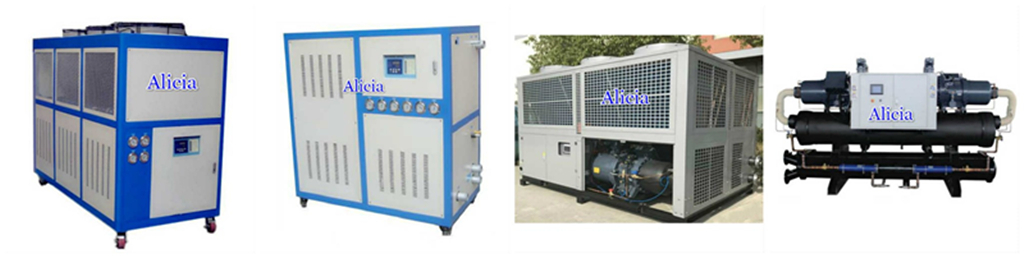
Low pressure failure is caused by low compressor suction pressure. The normal suction pressure of the compressor is 0.4~0.6mpa. When the suction pressure is lower than 0.2mpa, the low-pressure protection relay operates.
1. Check whether the cooling water temperature is too low. When the outside temperature is too low, the cooling water starts to run at low temperature; or the temperature of the refrigeration oil is too low and the refrigeration cannot be completely separated, which will cause a low-pressure failure.
If the cooling water temperature is too low, the cooling tower can be shut down or the cooling water can be throttled to increase the cooling water temperature. If the refrigeration oil temperature is too low, the preheating time of the chiller can be extended so that the refrigeration oil temperature can return to normal.
2. Check whether the evaporator is blocked. The blocked evaporator causes poor heat exchange and prevents the refrigerant from evaporating. Therefore, the chiller should be backflushed regularly during routine maintenance.
3. Check whether the refrigerant is insufficient or leaking. If most of the refrigerant leaks, the balance pressure will be too low, and a low-pressure fault alarm will occur when the refrigeration unit is started. If the suction pressure is lower than 0.2mpa, the refrigeration unit will not start normally.
4. Check whether the low-voltage protection relay is damaged. The low-voltage protection relay is short-circuited, has poor contact, or is damaged by moisture, causing communication failures and false alarms.
5. Check the expansion valve of the chiller. If there is sufficient refrigerant, the expansion valve is opened too small or is clogged, which can also cause low-pressure failure of the spiral chiller. This problem is mainly caused by the chiller operating at low temperatures or the chiller being left unused for a long period of time. Just run the chiller for a while to get back to normal.
6. Check whether there is air or water in the chiller system. When there is insufficient air or water in the chiller system, it will cause insufficient refrigerant flow, poor heat absorption effect, poor refrigerant evaporation effect, as well as supercooling and steam supersaturation, which will cause During wet compression, the pressure and temperature of the inlet and outlet water of the unit become narrower, the suction temperature is low, and there is frosting at the suction port. The solution is to install an exhaust valve at the height of the pipeline for exhaust; the pipeline filter is clogged or too fine, with limited water permeability. You should choose a suitable filter and clean the filter regularly. The water pump has a small flow rate and does not match the system. Large water pumps should be equipped with optional or backup pumps. Larger water pump, or use a spare water pump.

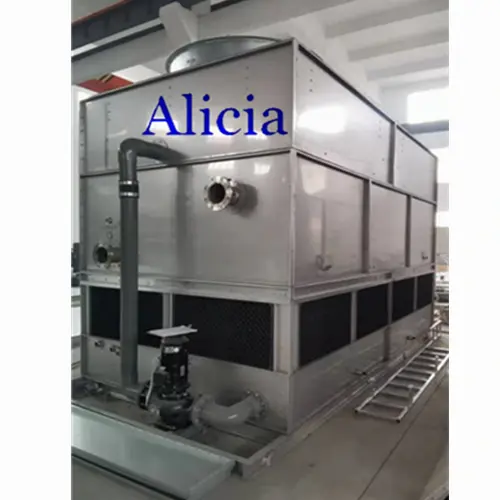 Why are closed-circuit cooling towers needed to make cheese?
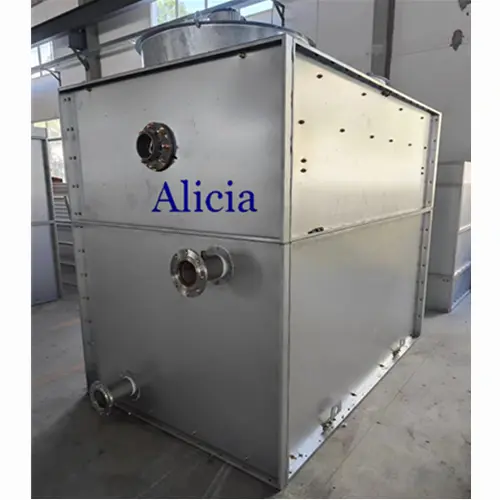 closed-circuit cooling tower systems for process cooling applications
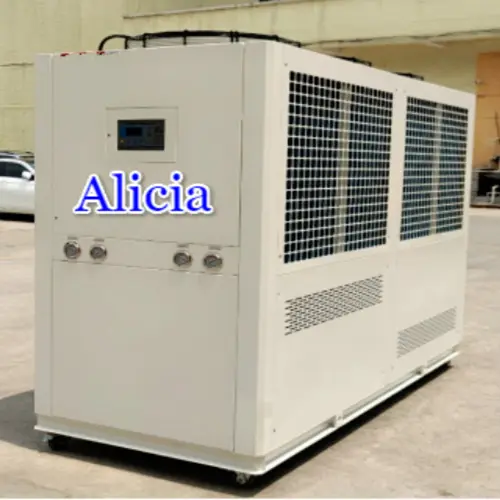 How are chillers used in the cosmetics manufacturing industry?
 How are water chillers used in the detergent manufacturing industry?



