In soap factories, industrial water chillers are mainly used for four key processes: saponification temperature control, extrusion/roller mill cooling, mold low-temperature quick-freezing, and cutting to prevent sticking. These processes ensure stable production and maintain the appearance and hardness of the finished product.
I. Saponification Reaction Temperature Control (Reaction Kettle Cooling)
Saponification is exothermic and requires a stable temperature of 60–80℃; exceeding this temperature can lead to hydrolysis, charring, and color deterioration.
The industrial water chiller supplies **10–15℃** circulating cold water (usually mixed with water/ethylene glycol) through the reaction kettle jacket/coil to promptly remove heat.
Function: Ensures uniform reaction, stable soap base, and consistent quality.
II. Extrusion/Roller Mill Cooling (Soap Machine Temperature Control)
Friction generates heat during the extrusion of the soap base through the screw extruder and roller mill, causing it to soften, stick to the rollers, deform during extrusion, and reduce production capacity.
The industrial water chiller provides **10–15℃** cold water through the rollers and screw jacket for constant temperature cooling.
Effects: Stable soap bar hardness, smooth surface, non-stick to equipment, continuous high-speed production.
Function: The mold surface is "frozen hard," allowing for rapid demolding of the soap bar without sticking or damage.
Clear and sharp imprinting lines, logos/patterns remain undistorted.
Applications: Compression molding of bar soaps, transparent soaps, and fancy soaps.
IV. Cutting and Finishing (Anti-sticking + Smooth Cut)
Low-temperature circulating water maintains the soap bar in a low-temperature solid state, preventing sticking to the blade, shedding, and producing a smooth cut.
Prevents burrs and deformation caused by softening at high temperatures, improving appearance and packaging efficiency.
V. Commonly Used Machines and Parameters
Roller Mill/Extruder industrial water chiller: 10–15℃, water-cooled/air-cooled screw, compatible with 20–100TR. Mold Cryogenic Machine: -15~-25℃, ethylene glycol refrigeration, antifreeze.
Water Quality and Antifreeze: 10% ethylene glycol is added to the circulating water to prevent scaling and freezing.
VI. Summary of Benefits
✅ Stable Quality: Complete saponification, consistent hardness, and bright white color.
✅ High-Efficiency Production: Non-stick to equipment, continuous operation, and increased production capacity.
✅ Exquisite Appearance: Smooth demolding, clear imprinting, and smooth cut surfaces.
✅ Reduced Losses: Reduces sticking, deformation, and defective products, saving costs.



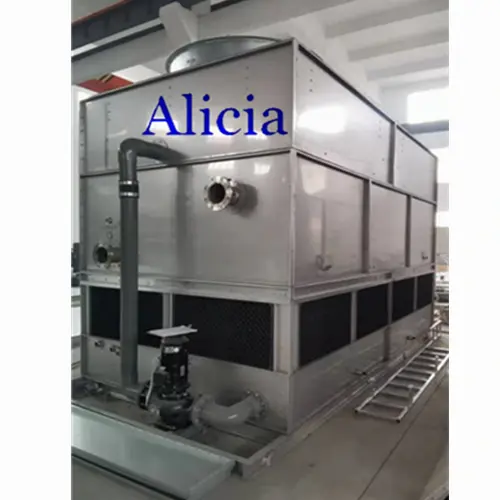 Why are closed-circuit cooling towers needed to make cheese?
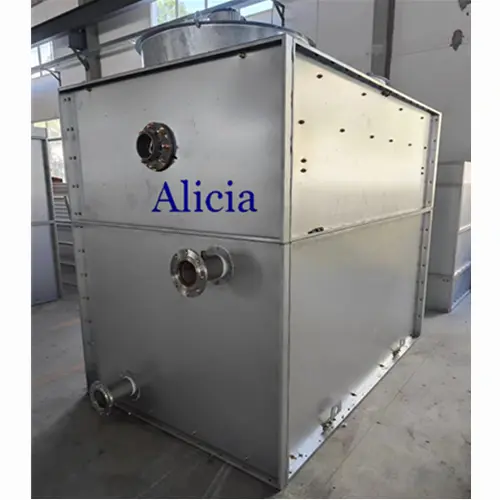 closed-circuit cooling tower systems for process cooling applications
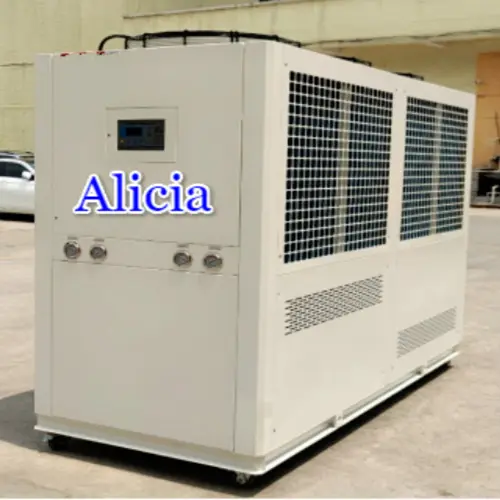 How are chillers used in the cosmetics manufacturing industry?
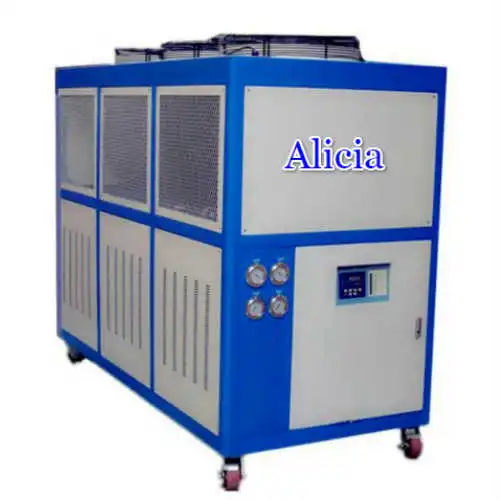 How are water chillers used in the detergent manufacturing industry?


