Temperature Control Systems
- Precise Temperature Sensors: Magnetic resonance imaging(MRI) chillers are equipped with highly accurate temperature sensors. These sensors are strategically placed within the chiller and the components it cools, such as near the superconducting magnet, gradient coils, and RF components. They continuously monitor the temperature with an accuracy often within a fraction of a degree. For example, they might be able to detect temperature changes as small as 0.1°C.
- Feedback and Control Loops: Based on the temperature data from the sensors, advanced control systems use feedback loops. The control system compares the measured temperature to the setpoint temperature and adjusts the cooling output accordingly. If the temperature rises above the setpoint, the chiller increases its cooling capacity; if it falls below, the cooling is reduced. This ensures that the temperature remains stable within a very narrow range.
Refrigeration Cycles
- High - Efficiency Compressors: Magnetic resonance imaging(MRI) chillers typically use high - quality, efficient compressors. These compressors are designed to provide a consistent and stable flow of refrigerant. They have precise control over the compression ratio and refrigerant flow rate, which is crucial for maintaining the right cooling capacity. For example, variable speed compressors can adjust their speed based on the cooling demand, ensuring optimal performance at all times.
- Advanced Condensing and Evaporating Technologies: The condensing and evaporating processes in the chiller are optimized. Efficient condensers are used to remove heat from the refrigerant, and advanced evaporators ensure proper heat absorption from the components being cooled. Some chillers use plate - type heat exchangers in the evaporator, which offer high heat transfer efficiency and can handle high heat loads with minimal temperature differences.
Monitoring and Diagnostic Systems
- Real - Time Monitoring: Magnetic resonance imaging(MRI) chillers have comprehensive monitoring systems that continuously track various parameters such as temperature, pressure, flow rate of the coolant, and power consumption. These data are displayed on a control panel and can also be remotely accessed for analysis. Operators can quickly identify any abnormal changes in these parameters, which could indicate a potential problem.
- Fault Diagnosis and Alarms: The chiller's diagnostic system can detect and diagnose faults. If a problem is detected, such as a refrigerant leak, a drop in coolant flow, or a compressor malfunction, the system immediately triggers an alarm. This alerts the technicians to take prompt action, preventing further damage and ensuring the cooling performance is not compromised.
Redundancy and Backup Systems
- Redundant Components: To enhance reliability, many magnetic resonance imaging(MRI) chillers have redundant components. For example, they may have two compressors, so that if one fails, the other can take over and maintain the cooling operation. Similarly, there may be backup pumps and fans to ensure continuous coolant circulation and heat dissipation.
- Backup Cooling Systems: In some critical applications, there are backup cooling systems in place. These can be secondary chillers or emergency cooling units that can be activated in case the primary chiller fails. They provide temporary cooling until the main chiller can be repaired or restored to operation.
Maintenance and Service
- Regular Maintenance Programs: Regular maintenance is essential for ensuring the long - term stable operation of magnetic resonance imaging(MRI) chillers. This includes tasks such as cleaning the heat exchangers, checking and replacing filters, lubricating moving parts, and calibrating the sensors and controls.
- Service Contracts with Manufacturers: Many healthcare facilities have service contracts with the chiller manufacturers or specialized service providers. These providers have trained technicians who are familiar with the specific requirements of magnetic resonance imaging(MRI) chillers and can quickly respond to any issues, providing preventive maintenance and repairs to keep the chiller in optimal condition.

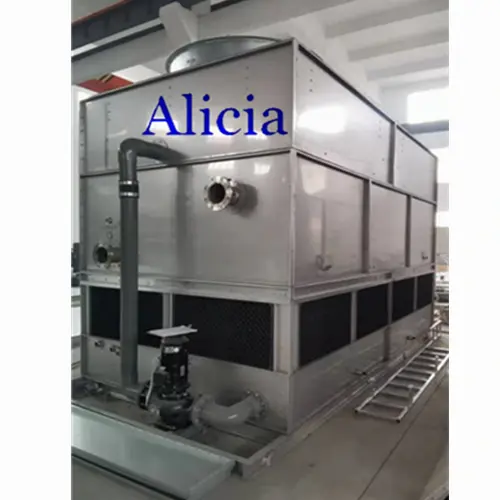 Why are closed-circuit cooling towers needed to make cheese?
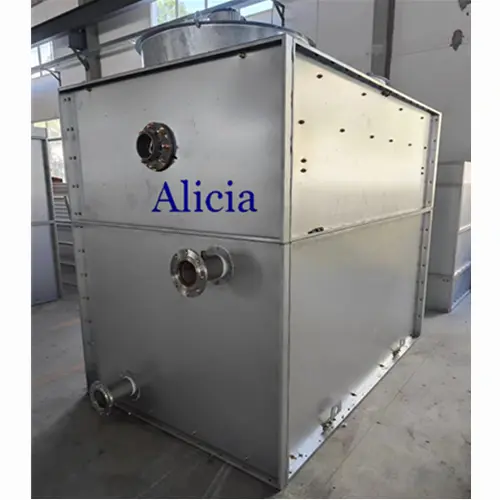 closed-circuit cooling tower systems for process cooling applications
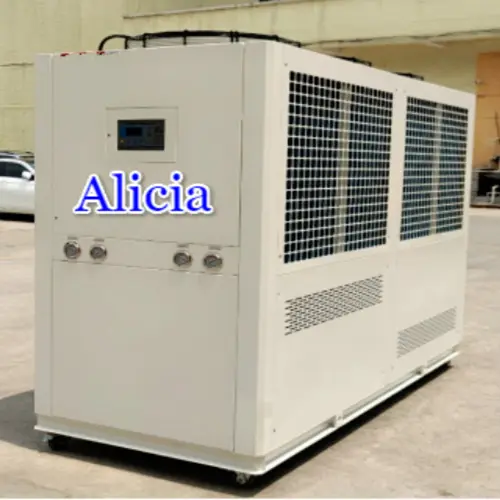 How are chillers used in the cosmetics manufacturing industry?



